The Comprehensive Guide to Obtaining a Driver's License: Choices, Benefits, and Important Considerations
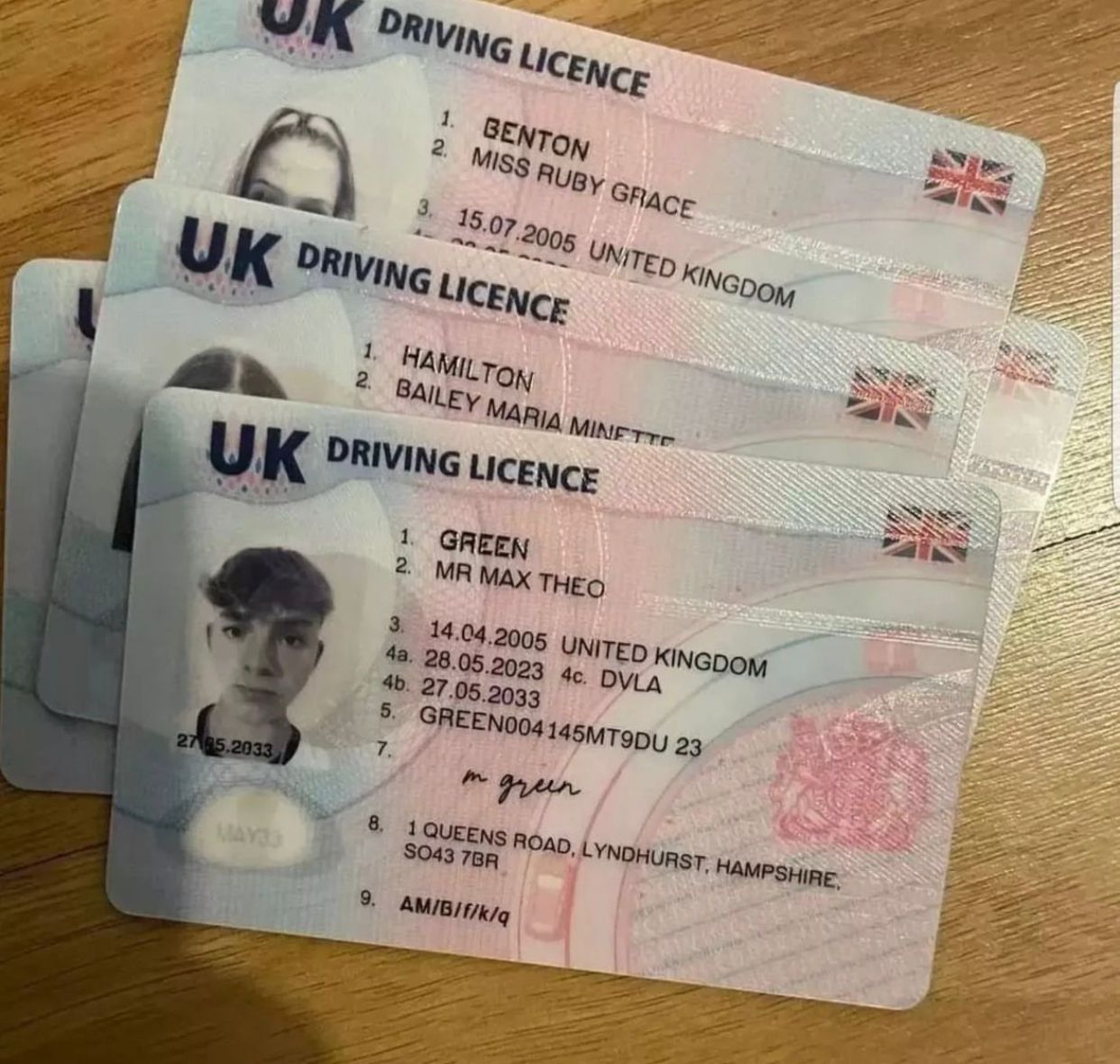
In today's busy world, having a driver's license is more than just a privilege; it's typically a requirement. Whether commuting to work, running errands, or taking a trip, a driver's license offers the liberty and flexibility to navigate everyday tasks with ease. Regrettably, for numerous reasons-- varying from long haul times at the DMV to the difficulties of passing written or driving tests-- many people consider alternative options, including the questionable concept of buying a driver's license. This blog site post intends to provide an informative introduction of getting a driver's license, including the threats associated with acquiring one and the correct legal avenues available to aspiring drivers.
Comprehending the Different Types of Driver's Licenses
Before diving into the implications of buying a driver's license, it is vital to understand the different kinds of licenses readily available. The table below summarizes the numerous classifications of driver's licenses in the United States.
| License Type | Description |
|---|---|
| Class A | Needed for operating industrial automobiles with a gross vehicle weight rating (GVWR) of 26,001 pounds or more. |
| Class B | Required for driving single vehicles with a GVWR of 26,001 pounds or more, or "straight" trucks. |
| Class C | Normally for personal cars, supplying the capability to drive cars weighing less than 26,001 pounds. |
| Bike License | Required for running bikes; additional testing is frequently essential. |
| Business Learner's Permit (CLP) | An authorization enabling a person to practice driving a business vehicle under specific conditions. |
The Benefits of Having a Driver's License
- Increased Independence: With a driver's license, individuals can travel freely without depending upon public transportation or others for rides.
- Employment Opportunities: Many jobs require a legitimate driver's license, enhancing task potential customers in different fields such as delivery services, sales, and transportation.
- Travel Flexibility: A license helps with spontaneous travel, allowing weekend getaways and trips without inconvenience.
- Emergency Situations: Having a driver's license empowers individuals to respond rapidly in emergency situations, whether it's offering help to someone in need or getting to a health center.
The Process of Obtaining a Driver's License
The process of acquiring a driver's license can vary by state but normally includes a number of key steps. Below is a breakdown detailing these steps:
- Research Your State's Requirements: Each state has specific requirements that consist of age limitations, essential documents, and costs.
- Total a Driver's Education Course: Some states need that drivers go through a driver's education course, which can take a number of weeks.
- Obtain a Learner's Permit: This allows new drivers to practice driving under guidance before taking the driving test.
- Practice Driving: Most states require a minimum variety of practice hours before taking the driving test.
- Arrange a Driving Test: Once the student's license requirements are satisfied, schedule a road test with your regional DMV.
- Pass the Driving Test: Successful completion of the driving test will lead to the issuance of a driver's license.
- Pay Fees: After passing the test, pay the required fees to obtain your driver's license.
Key Considerations Before Buying a Driver's License
Acquiring a driver's license may appear like a quick solution for those who have a hard time to acquire one through standard means. Nevertheless, several critical factors to consider need to be considered:
- Legal Consequences: Buying a driver's license is unlawful in the majority of jurisdictions, leading to possible criminal charges, including fraud, which can carry extreme penalties.
- Safety Risks: A bought license might not satisfy competency requirements, putting the private and others on the roadway at threat.
- Insurance coverage Issues: Driving without a legitimate license can result in serious consequences with car insurance, consisting of the failure to obtain protection or higher premiums.
- Long-lasting Implications: Having a prohibited driver's license can lead to complications when getting jobs or other legal files, such as loans or housing contracts.
Regularly Asked Questions (FAQs)
Can I drive with a student's permit?
Yes, you can drive with a learner's authorization, but you need to be accompanied by a licensed driver who fulfills your state's requirements.
How long does it require to get a driver's license?
The time frame varies by state, but the process usually takes a few weeks, depending on wait times for driving tests and required curricula.
What occurs if I fail the driving test?
If you fail the driving test, you may need to wait a specific duration before retaking the test, which can differ by state.
Exists an age requirement for obtaining a driver's license?
Yes, most states need candidates to be at least 16 years of ages to apply for a driver's license, although some states have minimum ages of 18 or greater.
While the temptation to buy a driver's license may appear like a fast lane to independence, it is fraught with legal and safety risks that far exceed the advantages. The process of obtaining a driver's license through legitimate means, though potentially prolonged, ultimately causes higher personal security, legal standing, and job opportunity. By comprehending the different types of licenses, the actions involved in obtaining one, and the extreme repercussions of prohibited options, individuals can make educated choices about their driving futures. For those feeling daunted by the process, regional community programs or driving schools frequently use assistance and resources to assist navigate the licensing journey. Remember, Buy Real UK Driving Licence is not practically having the ability to drive; it is also about being an accountable and legal member of the road community.